
The World Council ‘MC’ – the Master of Ceremonies: meet Ang Cuy
Monday 15 June 2026
Q: Tell us about yourself and your story with YMCA.
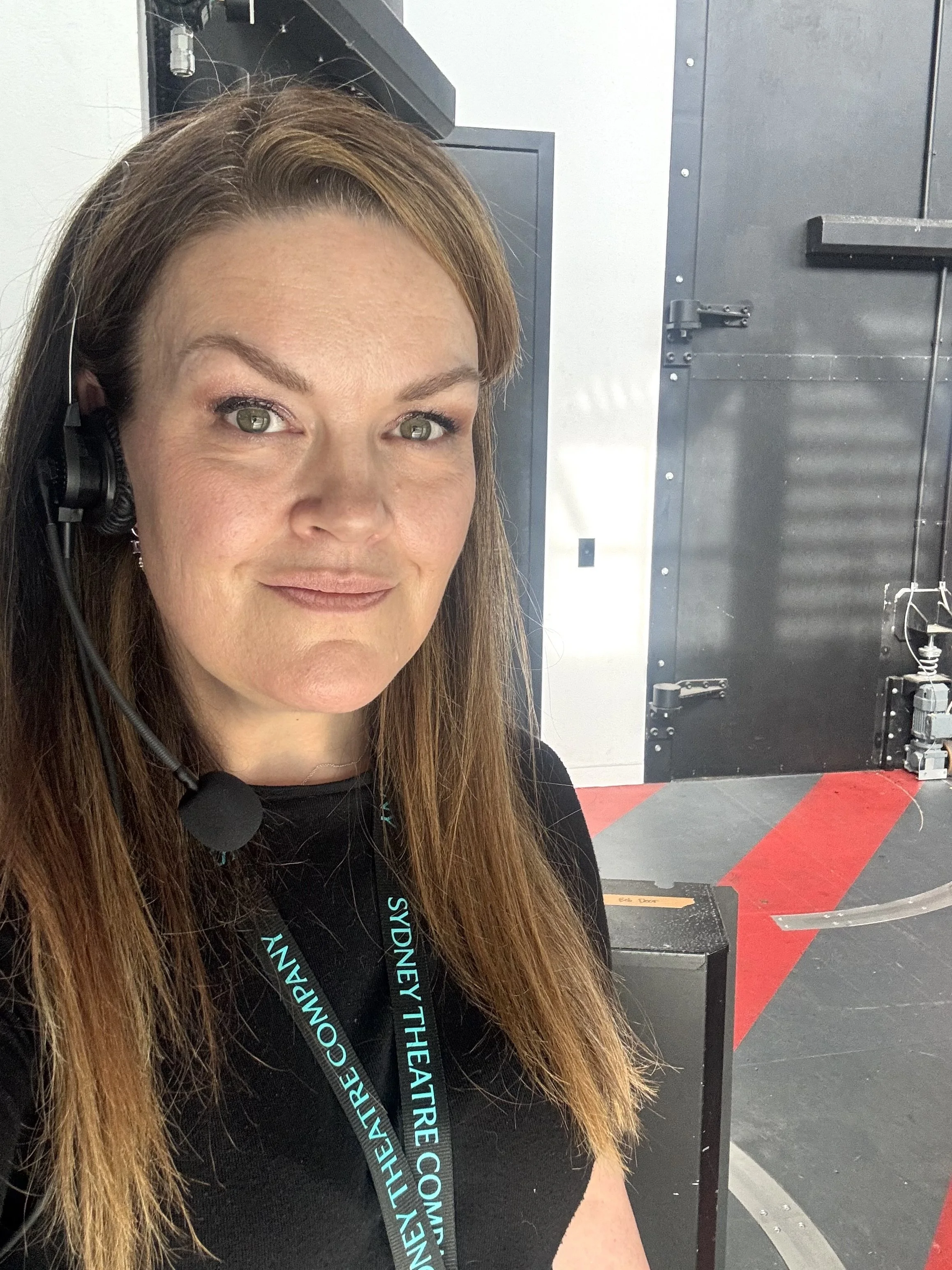
My YMCA journey spans more than 30 years as a volunteer, staff member and contractor. Over that time, I’ve worked across volunteer development, youth services, global development and executive leadership with YMCA Victoria, while also supporting national and international YMCA initiatives.
Today, my day job is as Senior Producer, Artistic Planning at the University of Melbourne, where I oversee the planning and delivery of more than 500 artistic events and performances each year. I’m also President of the Music Theatre Guild of Victoria, supporting and advocating for community theatre across the state.
While these roles might seem quite different from YMCA at first glance, they’re connected by a common purpose: creating opportunities for young people, bringing communities together, and helping people discover their potential through shared experiences.
One of the things I love most about YMCA is that no two journeys look the same. Mine has taken me from working directly with young people and volunteers through to leading teams, supporting international partnerships, developing strategy and producing major events. Alongside that YMCA journey, I’ve spent many years working in the performing arts, theatre and live events sector, creating experiences that bring people together through storytelling, creativity and shared moments.
This will be the fifth global YMCA gathering for which I’ve had creative responsibility for ceremonies, and each one has taught me something new about the power of bringing people together across cultures, languages and experiences. Being asked to contribute to World Council in this way is both a privilege and a responsibility, and I’m excited to help create an experience that celebrates the incredible diversity, impact and potential of our global movement.
Q: Can you give us any hints about what might be in store for the Opening and Closing Ceremonies in Toronto?
Without giving too much away, delegates can expect ceremonies that celebrate the diversity, creativity and impact of our global movement. We’re exploring ways to create moments that are distinctly Canadian while also reflecting the truly global nature of YMCA.
The ceremonies will celebrate our shared history, recognise the incredible work happening across the movement today, and invite us to imagine what comes next. There will be moments of energy and celebration, moments of reflection, and hopefully a few surprises along the way. As someone who comes from a performing arts background, I firmly believe ceremonies should be engaging as well as meaningful, so delegates can expect music, movement, storytelling and plenty of opportunities to celebrate together.
Most importantly, we’re creating opportunities for delegates to feel connected, not just as representatives of their local YMCA, but as part of a global movement working toward a common purpose.
Q: What are your strongest memories of the Opening and Closing Ceremonies in Aarhus, and what were some of the challenges?
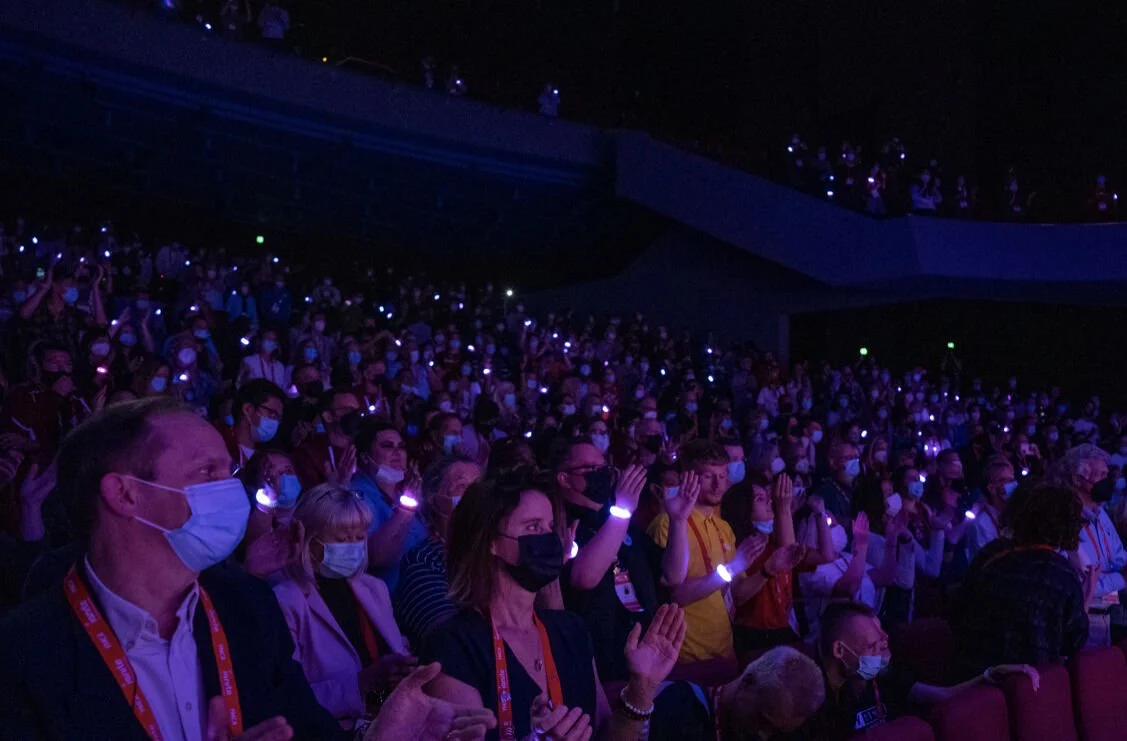
What I remember most is the feeling in the room during the Opening Ceremony. After years of disruption and isolation during the pandemic, there was something incredibly powerful about seeing YMCA people from around the world together again, sharing stories, celebrating achievements and reconnecting as a movement.
The biggest challenge with ceremonies is often balancing many different priorities and perspectives while still creating a cohesive experience. There are performers, speakers, technical teams, volunteers, organisers and leaders all contributing to the final outcome.
What people don’t always see is the enormous amount of collaboration and problem-solving that happens behind the scenes. The goal is to make something incredibly complex feel effortless, while creating moments that feel authentic and meaningful for delegates.
Q: What’s your personal approach to creating ceremonies, and who helps bring them to life?
My approach is deeply collaborative. The best ceremonies are never created by one person. They come from talented teams working together toward a shared vision.
For World Council, that includes producers, stage managers, technical specialists, performers, volunteers, YMCA leaders, speakers, artists and many others. Every person brings a different perspective and expertise, and my role is often to help connect those pieces into a single experience.
The qualities I draw on most are curiosity, creativity, adaptability and calmness under pressure. No matter how much planning goes into an event, there will always be unexpected challenges. Having a team that trusts one another and can work together creatively is essential.
I’m also a firm believer that ceremonies should be enjoyable. While they often carry important messages and significant moments of reflection, they should also be engaging, entertaining and memorable. We want people to leave feeling inspired, but also energised and having genuinely enjoyed the experience.
One of the things I’m most excited about is once again working alongside some of the best event professionals in the world. World Council brings together extraordinary creative, technical and production talent from across the global YMCA movement and beyond. I have enormous respect for these colleagues and always learn something from the opportunity to collaborate with them.
I also love working with local artists, performers, suppliers and production partners. Every host city has its own unique culture, stories and creative voices, and it’s important that our ceremonies reflect and celebrate that. Working with local talent not only helps create an experience that is authentically connected to place, but also allows World Council to contribute to and engage with the local community that is hosting us.
An important part of that local connection is ensuring we respectfully recognise and celebrate Indigenous culture and knowledge. Throughout the planning process, local YMCA representatives have helped guide our thinking and connections, ensuring this work is approached with care, respect and authenticity. We’re exploring opportunities to collaborate with Indigenous artists, cultural leaders and communities to create moments that are genuinely grounded in place. I believe this has the potential to bring a depth of Indigenous representation and storytelling to World Council that delegates may not have experienced before, while honouring the cultures, histories and communities that continue to shape this land today.
Ultimately, ceremonies are about people. The technical elements, performances and staging are important, but what delegates remember is how they felt. If we can create moments that help people feel inspired, connected, entertained and proud to be part of this movement, then we’ve done our job.